Getting started with The Kids Collective - What to Expect.
Step 1.
A free initial phone call to ensure we are the right fit for your family! Discuss goals, needs and outcomes with our Clinical Supervisor.


Step 2.
Book in your assessment. This will be 1:1 time with that helps us understand your child’s strengths, interests, communication, daily living skills, and any behaviours that might be making everyday life harder.
The assessment usually happens through a mix of play, observation, and conversation. We spend time with your child doing familiar activities, watching how they communicate, play, follow routines, and interact with others. There are no “tests” your child has to pass — we follow their lead and keep things as natural and comfortable as possible.
We also talk with parents and caregivers, because you know your child best. We ask about your goals, your daily routines, what’s going well, and where you’d like support. This helps ensure that any recommendations are practical and meaningful for your family’s real life.
Step 3.
Goal planning and review! Meet with our team to review the assessment findings, discuss recommended goals, and talk through how we’ll work together to reach them. Families are encouraged to share their own priorities, suggest additional goals, or explore new ideas before sessions begin. With your consent, a written report will be provided at this time, and services can then move forward.

Step 4.
Get started with your ABA sessions.
ABA therapy is a personalized approach that helps children build skills that support their everyday life. At its core, ABA focuses on understanding how a child learns best and using that knowledge to teach new skills in meaningful, supportive ways.
Because every child is different, ABA therapy can look very different from one child to the next. For some children, sessions may focus on school-related skills such as attention, organization, task completion, or executive functioning. This might include learning how to break down assignments, manage transitions, or stay engaged during learning activities.
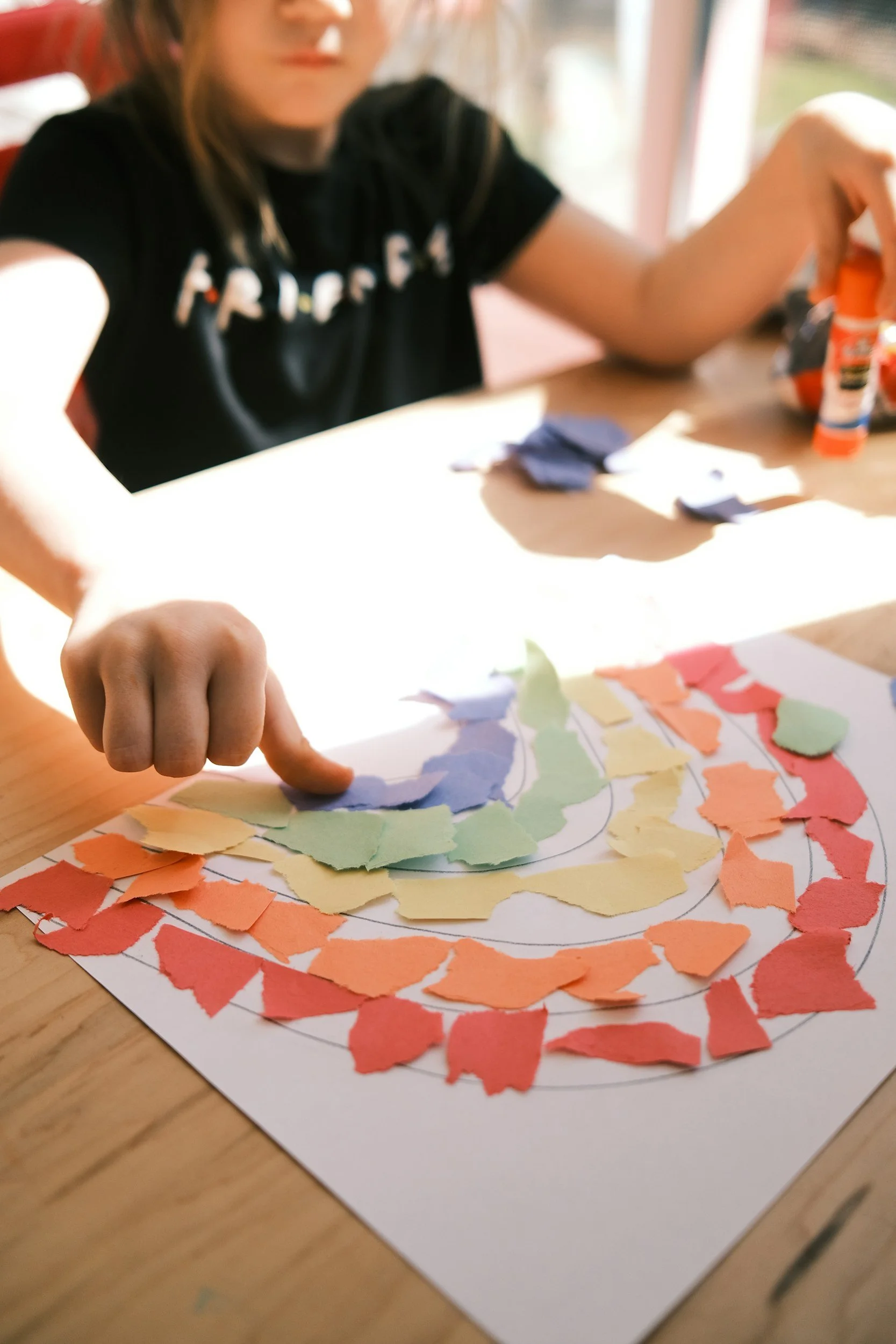
For other children, ABA may look like play on the floor, building with blocks, pretending with toys, or practicing turn-taking and communication during games. Through play and natural activities, children can learn important skills like communication, social interaction, emotional regulation, and independence.
ABA therapy can also support daily routines and real-life challenges — such as getting ready in the morning, participating in community outings, or navigating new or challenging situations. Sessions are designed to meet children where they are and to build skills that are functional, relevant, and motivating for them.
Most importantly, ABA is not a one-size-fits-all approach. Goals, teaching strategies, and session structure are all tailored to each child’s needs, strengths, and interests, as well as family priorities. Whether learning happens through structured tasks, everyday routines, or play on the ground, the focus is always on helping children grow, gain confidence, and succeed in ways that matter to them and their families.